
How to Compare Bulk HDPE Fabric Pricing and Quotes
Bulk HDPE fabric pricing is competitive when 5 items are clear: GSM, roll width, stitch method, UV warranty, and freight terms on every quote.
Key Takeaways
- The 2026 market baseline for custom 50 percent high-density polyethylene monofilament shade cloth is $0.55 per square foot.
- Procurement officers must normalize bids using mass metrics, verifying a 340 GSM minimum for standard commercial projects.
- Government compliance requires 60-day quote validity, NFPA 701 fire certifications per dye color, and explicit FOB logistics calculations.
What defines bulk HDPE fabric competitive pricing?
The baseline for custom 50 percent HDPE shade cloth is $0.55 per square foot. Accurate bulk quote comparisons require normalizing mass and freight terms.
Procurement teams evaluating industrial textiles must look past the total price at the bottom of a vendor proposal. Bulk HDPE fabric competitive pricing only becomes visible when buyers separate raw material costs from fluctuating freight surcharges. Fabric width, specific knitting methodology, and ultraviolet warranty length drastically alter the lifecycle value of an installation.
Vendors frequently quote pricing per roll without standardizing the length or mass metrics. A supplier offering a seemingly low roll price might provide a lower weight material or a shorter warranty span. Buyers must establish a strict comparative baseline. By requesting itemized estimates that list grams per square meter and specific tensile strength test results, facility managers can effectively rank suppliers based on verifiable engineering data. The current benchmark cost of $0.55 per square foot for custom monofilament serves as a reliable starting point for price normalization (Gourock.com, 2026).
What are the primary cost drivers for bulk shade cloth in 2026?
HDPE resin costs surged by $0.35 per pound in early 2026. This raw material increase combines with a $2,000 container freight hike to alter bulk quotes.
The global plastics market experiences high volatility directly tied to petroleum production. With Brent Crude prices reaching $115 per barrel, the retail pricing of finished plastic products has increased between 8 and 25 percent across the industry (Tank Depot, 2026). This raw material escalation forces manufacturers to adjust unit pricing frequently.
Global logistics rerouting adds another layer of complexity to procurement budgets. Industrial textile container freight now carries up to $2,000 in additional routing costs. Furthermore, many suppliers apply a raw material surcharge ranging from $0.10 to $0.15 per pound on bulk orders. Buyers comparing bulk shade cloth quotes must demand that vendors itemize these surcharges separately from the base fabric price. Mixing material rates with temporary logistics fees creates distorted bid tabs and prevents accurate long-term budget planning.
How to evaluate technical specifications across competitive quotes?
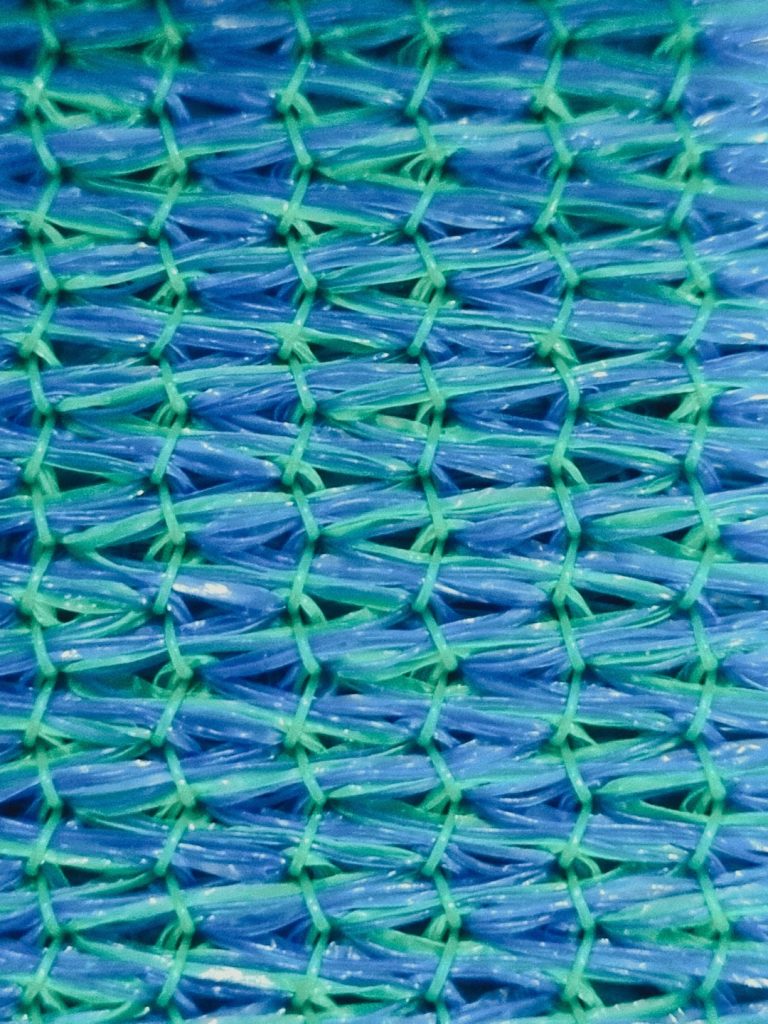
Standard 340 GSM commercial fabric provides a mean tensile warp strength of 189.1 lbf. Normalizing these specific engineering metrics ensures accurate bulk quote comparisons.
Comparing proposals requires standardizing the physical properties of the material. Procurement officers must require test data confirming the structural integrity of the fabric before issuing a purchase order. Cooltra Shade recommends utilizing the following standard metrics to normalize bid data.
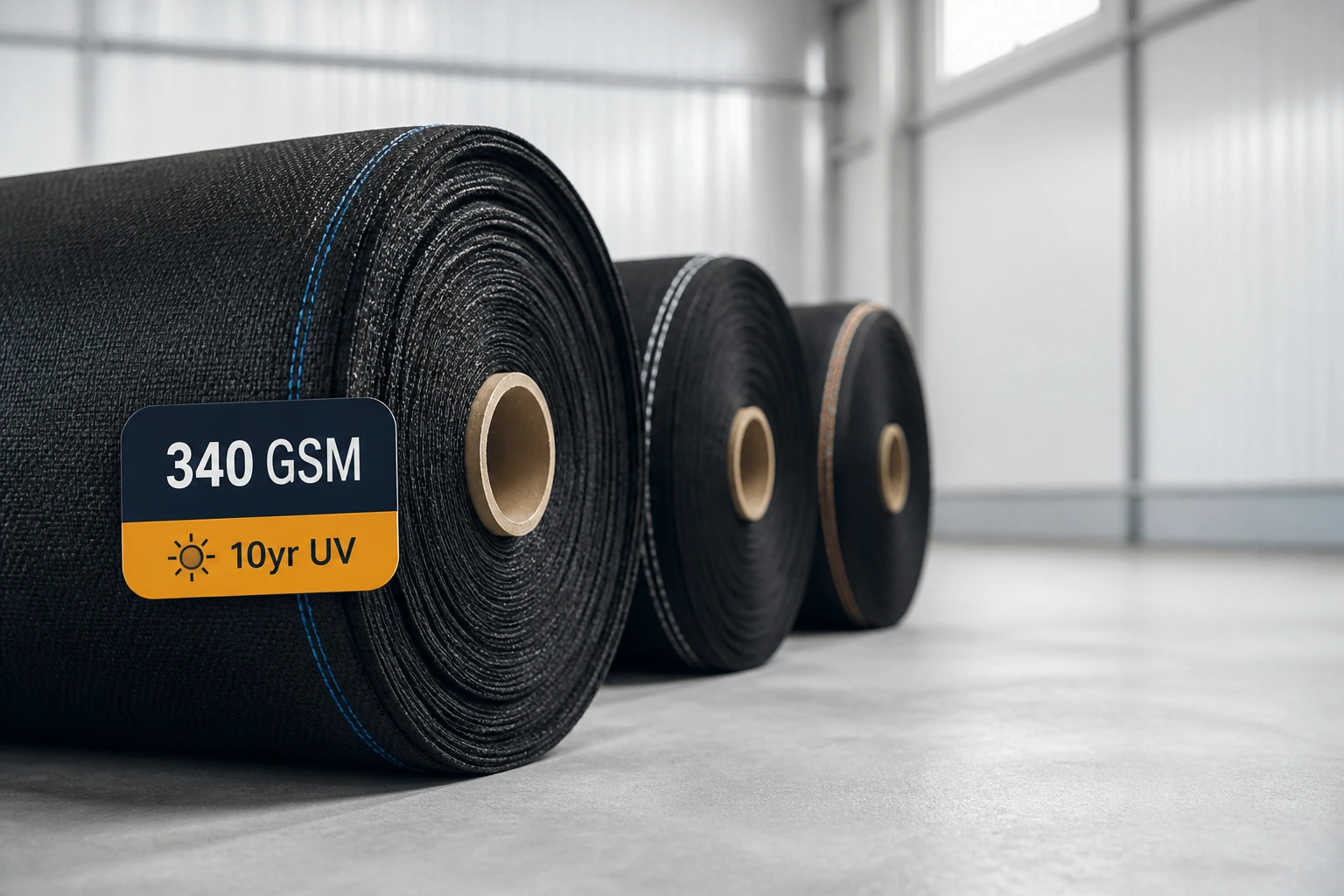
The industry standard for commercial installations is 340 grams per square meter, which translates to roughly 10 ounces per square yard. Quotes referencing "heavy duty" without listing a specific GSM value are not comparable to verified 340 GSM bids (Modern Shade, 2020).
Engineering data measured by ASTM D5034 standards should demonstrate a mean tensile strength of 189.1 lbf in the warp direction and 462.3 lbf in the weft direction. These numbers verify the fabric can withstand expected wind and structural loads.
Standard commercial rolls are nominally 9 feet and 10 inches wide. Manufacturers typically ship these rolls folded to optimize container space. Specifying this roll dimension allows buyers to calculate exact coverage areas and minimize waste.
Does a longer warranty shade cloth save money?
Premium monofilament products with a 15-year warranty eliminate one full replacement cycle. A longer warranty shade cloth saves money by reducing future installation labor costs.
Standard commercial grade textiles feature a 10-year warranty against ultraviolet degradation. Upgrading to a premium monofilament fabric, such as Monotec 370, extends this protection to 15 years (Commercial Shade Sails, 2026). While the premium material requires a higher initial capital outlay, it drastically lowers the total cost of ownership.
Facility managers must factor labor and operational downtime into their procurement math. Replacing a massive commercial shade structure requires heavy equipment rentals, specialized installation crews, and facility closures. Extending the lifespan by five years defers these secondary expenses.
| Feature | Mid-Range Standard | Premium Long-Life |
|---|---|---|
| Fabric Mass | 340 GSM | 370+ GSM |
| UV Warranty Length | 10 Years | 15 Years |
| Mean Tensile Warp | 189.1 lbf | Varies by design |
| Required Stitching | Standard Lock Stitch | 3-Way Lock Stitch |
| Fire Retardancy Rating | NFPA 701 / CSFM T19 | NFPA 701 / CSFM T19 |
| Base Estimated Cost | $0.55 per square foot | Premium surcharge |
What stitching methodology ensures warranty compliance?
High-durability shade installations require a 3-way lock stitch to maintain structural integrity. Combining this specific method with ultraviolet-resistant PTFE thread ensures full warranty compliance.
A textile warranty is only valid if the seams hold under tension. Standard industrial sewing is insufficient for outdoor shade structures exposed to high wind loads. Manufacturers mandate specific fabrication techniques to back their 10-year and 15-year guarantees.
The thread selection must match the lifespan of the high-density polyethylene fabric. Standard nylon or basic polyester threads degrade rapidly under direct sunlight, causing seam failure years before the fabric itself degrades. Specifying polytetrafluoroethylene thread, or a heavy-duty coated polyester alternative, guarantees the stitching outlasts the fabric warranty period (Gale Pacific, 2026). Cooltra Shade highlights that missing stitch specifications on a quote indicates a high risk of premature failure.
How to specify mid-range shade cloth quality for budget government projects?
Federal contracts mandate 60-day quote validity and explicit FOB shipping costs. Mid-range shade cloth quality for budget government projects relies strictly on compliance rules.
Public procurement officers must satisfy rigid documentation standards that supersede simple price evaluation. Federal projects, such as United States Department of Agriculture greenhouse installations, require vendors to hold their quoted pricing firm for a minimum of 60 days to accommodate bureaucratic approval cycles (SAM.gov, 2026). In a volatile plastics market, suppliers often refuse to guarantee rates past 15 days, immediately disqualifying them from the bidding process.
To secure these contracts, quotes must clearly state the place of manufacture and provide the vendor's Unique Entity Identifier. Furthermore, the estimates must calculate Free On Board shipping logistics explicitly. Identifying shade cloth procurement pricing factors early ensures the final bid package meets all mandatory government formatting requirements.
How do color variants affect fire retardancy certifications?
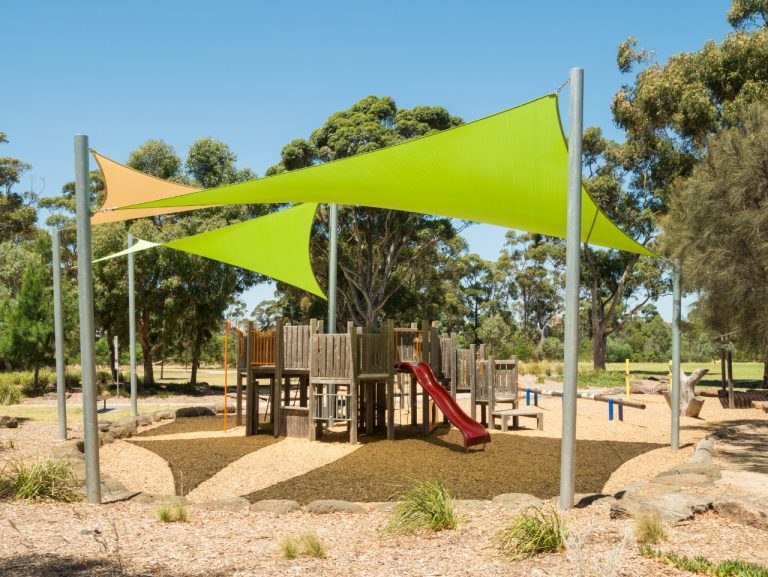
Fire retardancy certifications like NFPA 701 apply individually to each specific fabric dye. Officers must verify exact color test results to pass building inspections.
Commercial building codes treat shade structures as permanent architectural elements. Passing local fire marshal inspections requires rigorous adherence to flammability standards. Buyers cannot assume a blanket certification covers a manufacturer's entire catalog.
Specific chemical dye compositions alter the flammability characteristics of polyethylene. Therefore, every single color variant must pass National Fire Protection Association 701 and California State Fire Marshal Title 19 testing independently. A supplier might advertise a fabric line as fire retardant while only holding certificates for three base colors. Bidders must supply the exact test laboratory reports matching the specified project color before procurement officers finalize the purchase.
Quote Normalization Checklist
Procurement officers evaluate fabric mass, ultraviolet warranties, and fire ratings to normalize bids. This exact structured process prevents unexpected project budget overruns.
Use this systematic approach to level the playing field when reviewing competing bulk fabric proposals.
- Verify the exact GSM rating of the quoted material against the 340 GSM baseline.
- Confirm the tensile strength meets ASTM D5034 standards for both warp and weft directions.
- Check that the proposal itemizes the $2,000 average freight surcharge separately from unit prices.
- Validate the warranty duration and confirm the usage of ultraviolet-resistant PTFE thread in the fabrication notes.
- Request specific NFPA 701 fire retardancy laboratory reports for the exact color dye ordered.
- For federal work, confirm the vendor provides a 60-day price lock and includes their SAM.gov Unique Entity Identifier.
FAQS
Frequently Asked Questions
What defines bulk HDPE fabric competitive pricing?
The base rate for custom 50 percent monofilament shade cloth is $0.55 per square foot. Buyers must evaluate quotes using exact material specifications, such as a 340 GSM baseline, rather than just total roll cost to find true market value.
How does a longer warranty shade cloth save money?
A 15-year warranty eliminates the need for one entire replacement cycle. Facility managers avoid paying duplicate labor, equipment rental, and operational downtime costs by installing premium monofilament fabric once.
What defines mid-range shade cloth quality for budget government projects?
Mid-range quality requires a 340 GSM mass rating combined with strict adherence to NFPA 701 fire certifications. Government bids also mandate 60-day price validity and explicit FOB shipping details to comply with SAM.gov regulations.
What thread is required for 15-year warranty installations?
Contractors must use ultraviolet-resistant PTFE thread or a heavy-duty coated polyester alternative. These specific industrial threads ensure the 3-way lock stitch seams survive the full 15-year lifespan of the fabric under high wind tension.
Why do shipping prices fluctuate so much on bulk quotes?
Global logistics rerouting in 2026 added up to $2,000 in costs per shipping container. Suppliers also face an additional $0.10 to $0.15 per pound raw material surcharge that affects the final delivered price of large industrial orders.
Get specific bulk pricing for your next project
Contact our team to receive an itemized quote featuring verified GSM metrics and exact freight calculations.